Today is the national ear-loving day. Pay attention to the baby’s hearing health.
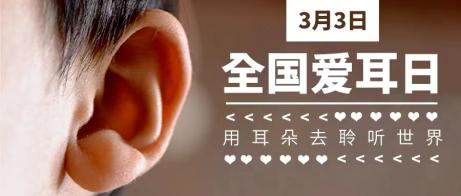
National Ear-care Day
March 3, 2024 is the 25th National Ear Love Day. The theme of this year’s Ear Love Day is "Hearing Aids with Technology, Sharing a Better Life". In March 2013, the World Health Organization designated "China Ear Love Day" as "International Ear Love Day". After more than 20 years, the publicity and education activities of Love Ear Day have greatly improved the people’s awareness of loving and protecting their ears and effectively reduced the occurrence of hearing disability. Hearing health is also very important for newborn babies. Let’s pay attention to children’s hearing health and learn about newborn hearing screening and deafness gene screening.
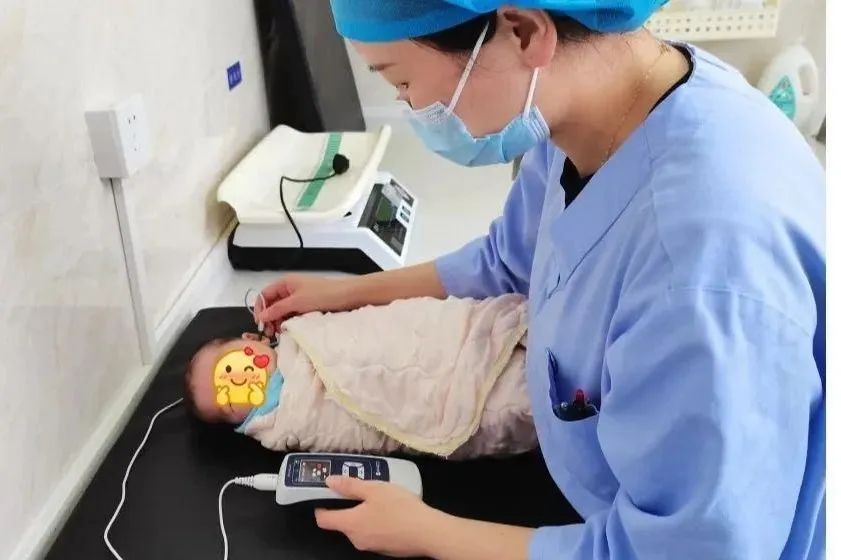
What is newborn hearing screening?
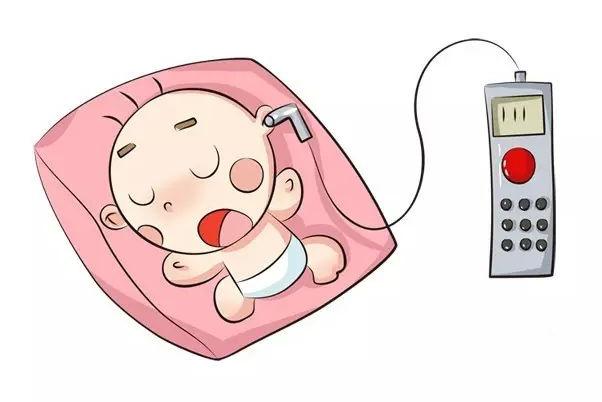
Newborn hearing screening is an objective, simple and rapid method to screen out newborn babies who may have hearing loss, and further diagnose and follow up. Newborn hearing screening is the most effective way to find hearing loss early, which can find the baby with hearing loss as early as possible, make it get appropriate intervention before the critical age of language development, and promote the baby’s speech-language and cognitive development to the maximum extent.
Newborn hearing screening process?
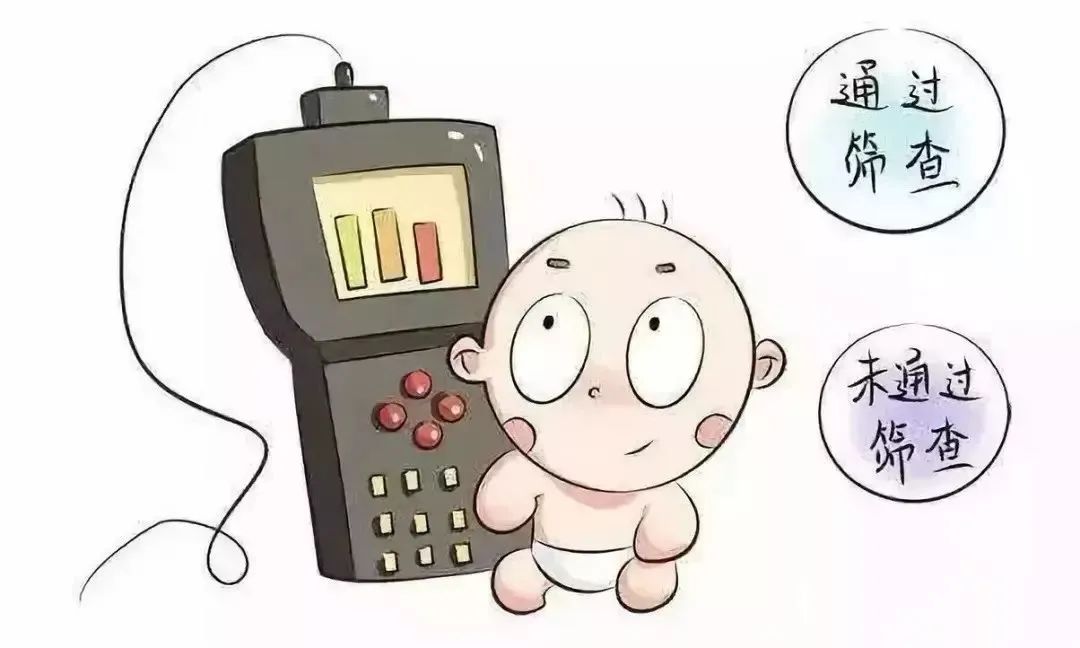
1. Newborns are screened for hearing from 48 hours after birth to before discharge. Those who fail the screening and those who miss the screening need to be screened in both ears within 42 days after birth. Those who fail the re-screening need to go to the designated hearing impairment diagnosis institution for hearing diagnosis within 3 months.
2. Babies in neonatal intensive care unit are screened for hearing before discharge, and those who fail the screening are directly referred to hearing impairment diagnosis institutions for hearing diagnosis.
3. Newborns with high risk factors of hearing loss, even if they pass the hearing screening, should be monitored for hearing and language at least once a year within 3 years of age.
What are the high-risk factors that may lead to hearing loss at birth?
At present, it is found that the high-risk factors closely related to hearing loss are:
1. Hospitalization in neonatal intensive care unit (NICU) for more than 5 days;
2. Family history of permanent hearing impairment in childhood;
3. Intrauterine infection caused by cytomegalovirus, rubella virus, herpes virus, syphilis or toxoplasmosis;
4. Craniofacial deformities, including auricle and ear canal deformities;
5. Birth weight is less than 1500 grams;
6. Hyperbilirubinemia meets the requirements of exchange transfusion;
7. Viral or bacterial meningitis;
8. Neonatal asphyxia (Apgar score 0-4 in 1 minute or 0-6 in 5 minutes);
9. Respiratory distress syndrome in premature infants;
10. Membrane oxygen in vitro;
11. Mechanical ventilation for more than 48 hours;
12. The mother used ototoxic drugs or loop diuretics during pregnancy, or abused drugs and alcohol;
13. Clinically, there is or is suspected to be a syndrome or genetic disease related to hearing impairment.
What is genetic screening for neonatal deafness?
Genetic screening for neonatal deafness refers to the detection of common deafness genes in China population by collecting blood from newborns, detecting whether the newborn baby’s deafness genes are mutated, intervening the deaf patients or those affected, and giving birth guidance to carriers.
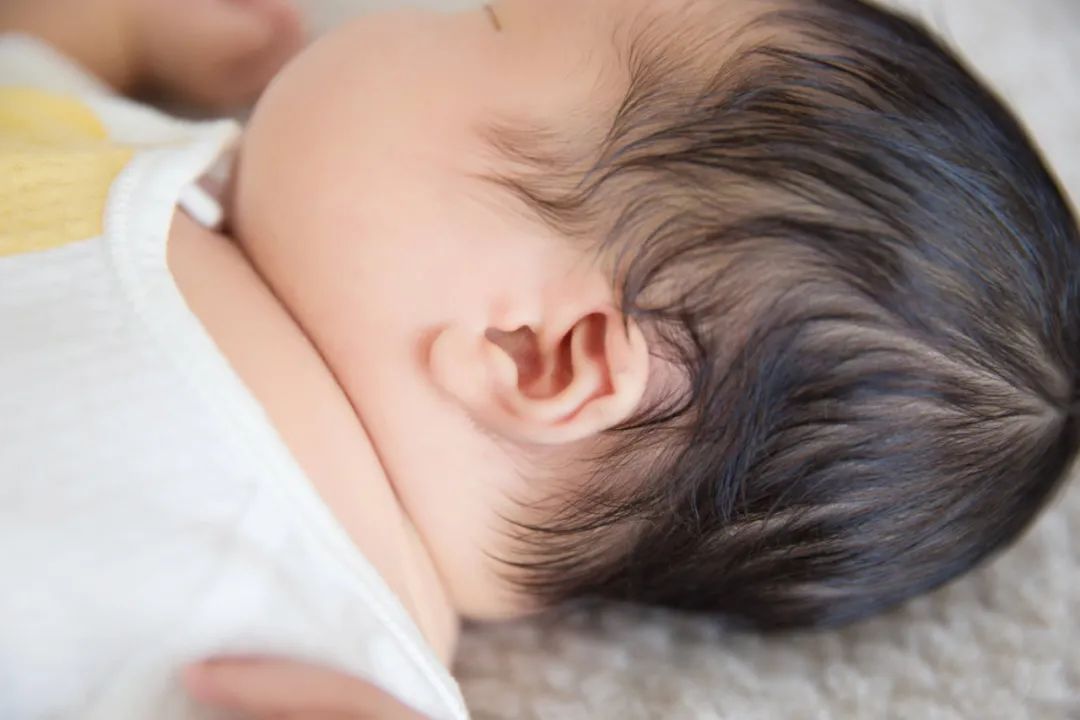
Why should hearing screening be combined with deafness gene screening?
1. Combined screening can effectively improve the detection rate of children with hereditary deafness, and early detect children with delayed deafness and drug-induced deafness.
2. Combined screening can greatly shorten the time of follow-up and diagnosis, and can take early intervention and rehabilitation measures to effectively avoid prelingual deafness.
3. Find out the risk of delayed deafness and drug-induced deafness, give medication guidance to patients with drug-induced deafness and life guidance to patients with large vestibular aqueduct syndrome, so as to reduce or avoid the occurrence of delayed deafness.
4. For carriers of genetic deafness mutation gene, receiving genetic counseling during marriage and childbirth can effectively reduce the risk of giving birth to deaf children.
Is it possible for a deaf couple to have a baby with normal hearing?
The risk of giving birth to deaf children again can be reduced by genetic testing and prenatal diagnosis after discovering pathogenic genes. If it is determined to be a deaf child, early intervention can be given, such as cochlear implantation, so that the baby can have normal hearing; If you detect the risk of hearing loss in your baby, you can also effectively protect your child’s hearing health by avoiding contact with certain drugs and trauma.
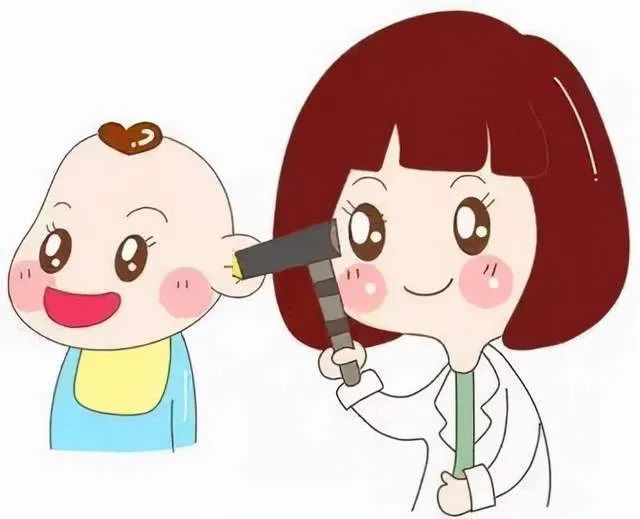
Parents are not deaf, why do children become deaf?
Hereditary deafness belongs to recessive inheritance, that is to say, both parents carry related genes but do not get sick, while the children born may get sick. Studies have shown that the carrying rate of deafness-causing genes in people with normal hearing is 6%, and more than 80% deaf children are born to parents with normal hearing. Therefore, it is still necessary for families with normal hearing and no family history of deafness to have deafness gene testing at birth. Deafness gene testing, if children carry this gene, by paying attention to avoid severe head impact or prohibiting other behaviors that increase intracranial pressure, can greatly reduce the chance of deafness.
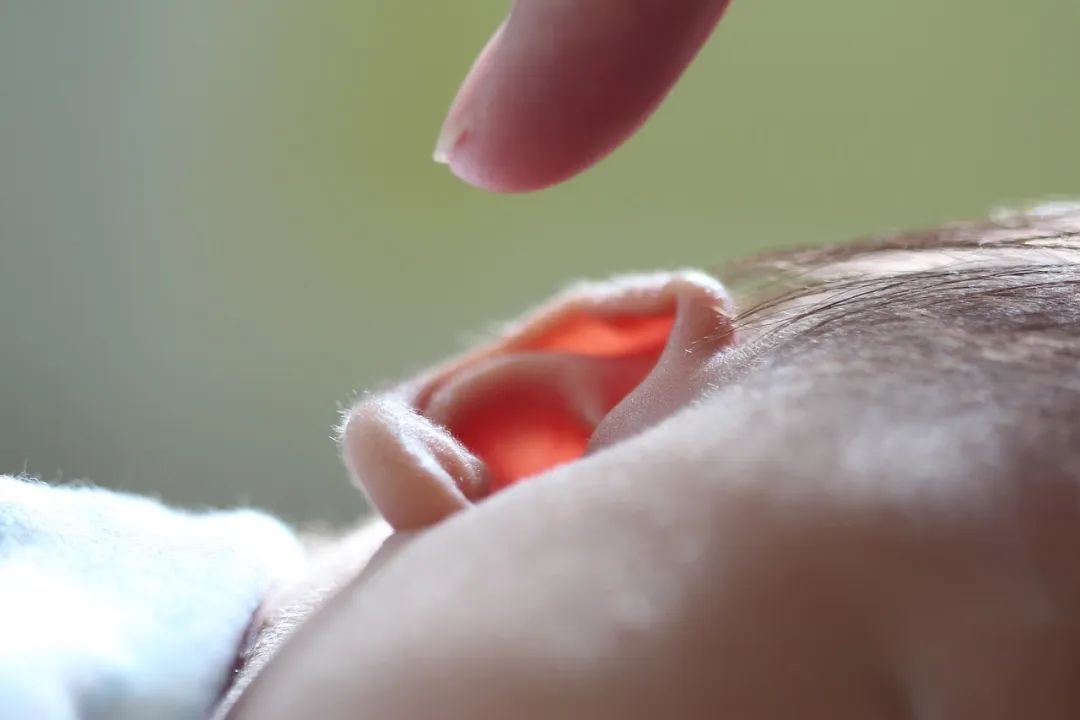
How to do a good job of daily ear and hearing care for children?
1. Correct breastfeeding and feeding to prevent choking; Babies should be cleaned up promptly and gently when they spill milk.
2. Do not clean the external auditory canal by yourself to avoid injury.
3. Prevent choking and ear water when taking a bath or swimming.
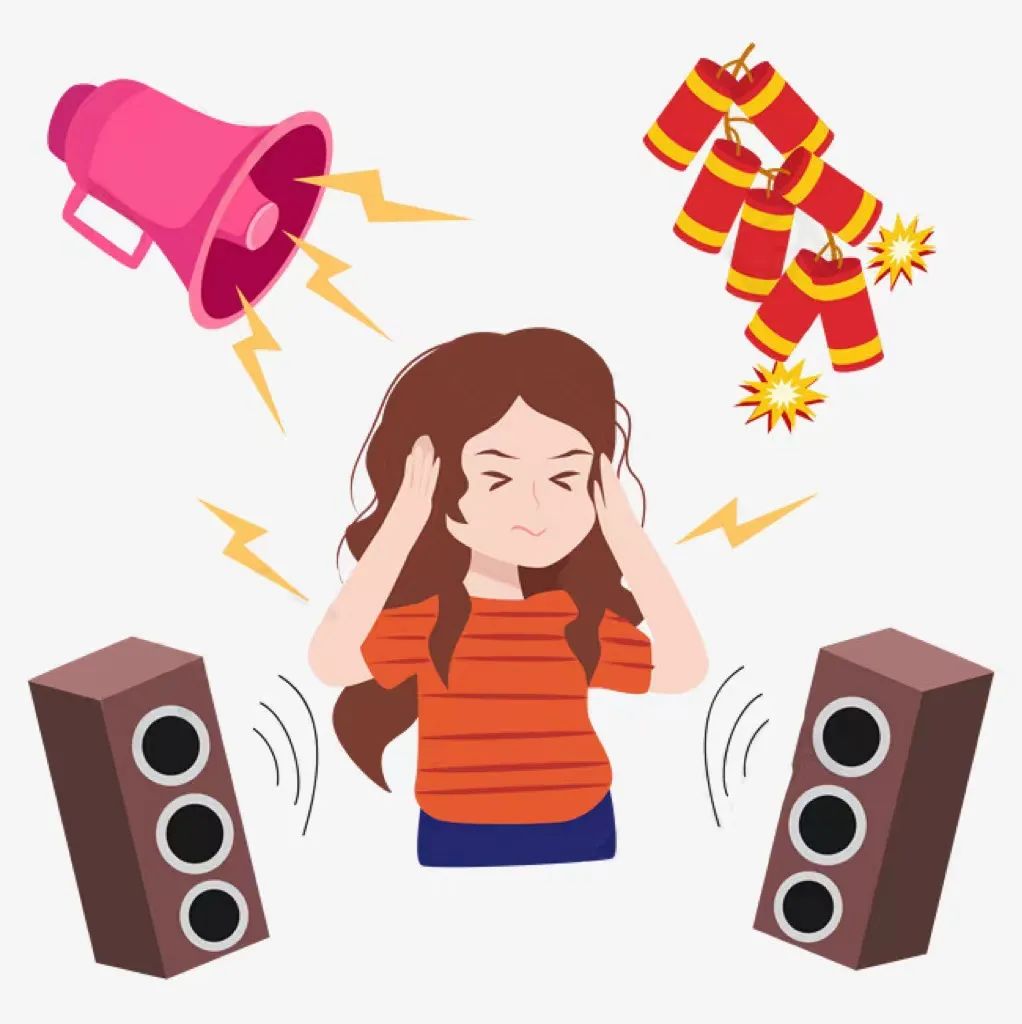
4. Stay away from strong sound or continuous noise environment and avoid using headphones.
5. Those who have a family history of deafness caused by ototoxic drugs should take the initiative to inform the doctor.
6. Avoid head trauma and foreign bodies in external auditory canal.
7. People suffering from diseases such as mumps, meningitis and respiratory infection should pay attention to their hearing changes.
8. If there are any of the following abnormalities, you should see a doctor in time:
* Abnormal skin around children’s ears;
* There is secretion or abnormal smell in the external auditory canal;
* There is the action of patting or scratching the ear;
* Symptoms such as itching, earache and ear swelling;
* slow response to sound; There are signs of language retardation.
How to enjoy free newborn hearing screening and deafness gene screening?
1. Free screening target: newborns born to registered and permanent pregnant women in Changsha.
2. Collection process: After the pregnant women register their early pregnancy in the community health service center/township health center where their household registration or permanent residence is located, they register their identity information and apply for free e-vouchers on the WeChat official account of Changsha Health and People’s Livelihood Project, and bring the original relevant materials to the township health center where one spouse’s household registration or the woman’s residence (with a valid residence permit) is located according to the prompts, and the staff can successfully receive the free screening e-vouchers after on-site verification.
3. Usage process: Under the guidance of doctors, pregnant women can enjoy hearing screening and deafness gene screening services for newborns free by issuing electronic free vouchers through mobile phones.

Original title: "When creating health, it’s @ Yuhua people, today is National Ear Love Day, pay attention to baby’s hearing health"
Read the original text