
The following article comes from Zhong Zhen’s compendium of materia medica, written by ZZZ.

Zhong Zhen said compendium of materia medica
Hello! Welcome to the world tour of Chinese medicine culture. Let’s walk into the world of materia medica and explore the world’s materia medica.
Hello, friends! I’m Zhao Zhongzhen.
Today, I want to talk to you about the difference between Chinese medicine and western medicine.
Here, I want to ask you a question first. The common potatoes on our table are also called potatoes and potatoes. Is it Chinese food or western food? Some people say it’s western food, others say it’s Chinese food. If you go to a western-style fast food restaurant to eat French fries, there is no doubt that it is western food. Conversely, why don’t you go to a Chinese restaurant to eat fried shredded potatoes? That must be Chinese food. What does this mean? Whether it is Chinese food or not has little to do with the raw materials themselves.
Let me give you another example. Is ephedra a traditional Chinese medicine or a western medicine?
Ephedrine is one of the effective chemical components of Herba Ephedrae. If you ask scholars from the west what this is, they must think it is western medicine. In fact, in the view of Chinese medicine, ephedra is an authentic Chinese medicine, which is mainly used for sweating, relieving asthma and promoting diuresis. Ephedra root can also be used to astringe sweat.
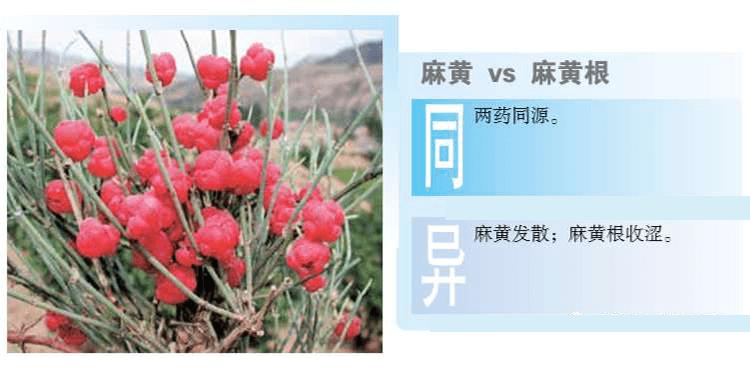
▲ Chinese medicine ephedra
The word "traditional Chinese medicine" did not exist in ancient times. Words like "traditional Chinese medicine", "western medicine", "traditional Chinese medicine" and "western medicine" are the products of modern society and are all relative. In ancient times, Chinese medicine was called "materia medica".
First of all, I want to emphasize here that Chinese medicine must be used under the guidance of Chinese medicine theory.
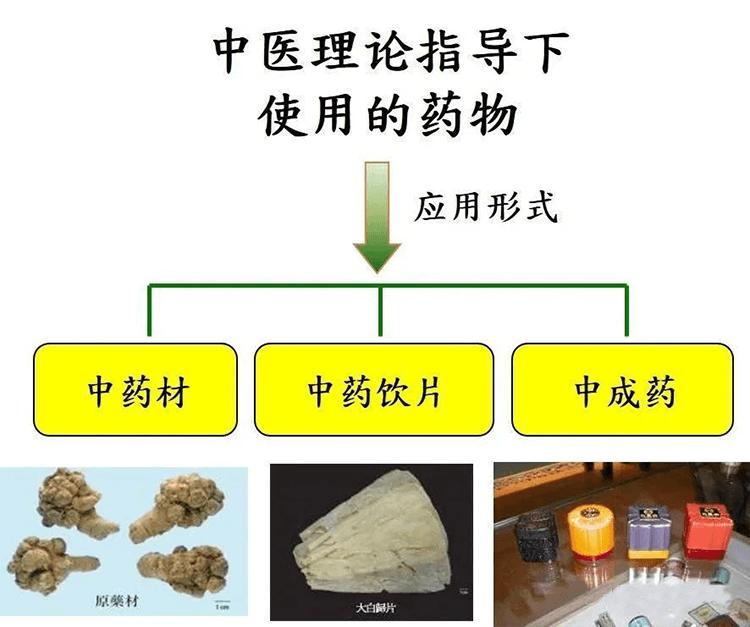
▲ What is Chinese medicine?
When we go to the drugstore to buy medicine, we will say, "Please give me Chinese medicine blindly". The "taste" here refers to the unit. What about western medicine? We often say, "What kind of western medicine do I need to take?".
Why can’t Chinese medicine talk about species? Because there is often more than one source of traditional Chinese medicine, such as ephedra, it is divided into three different species: Casuarina equisetifolia, Casuarina sinica and Casuarina equisetifolia.
So why is Chinese medicine called "taste"? This taste means that it is directly related to the efficacy.
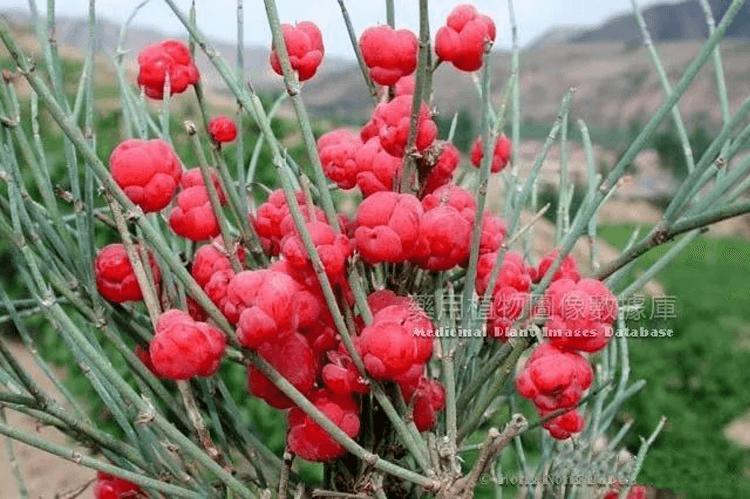
▲ Herba Ephedrae original plant
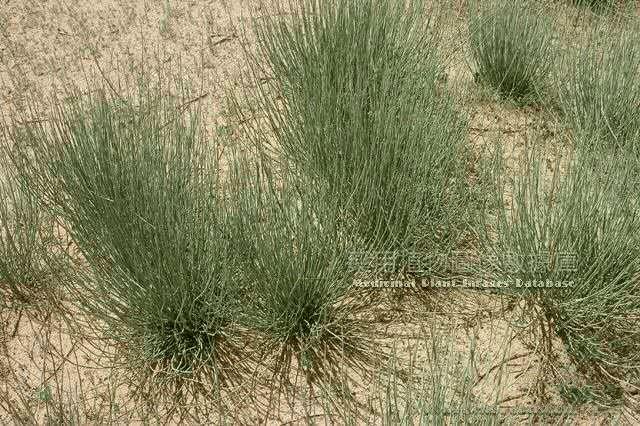
▲ Chinese ephedra original plant
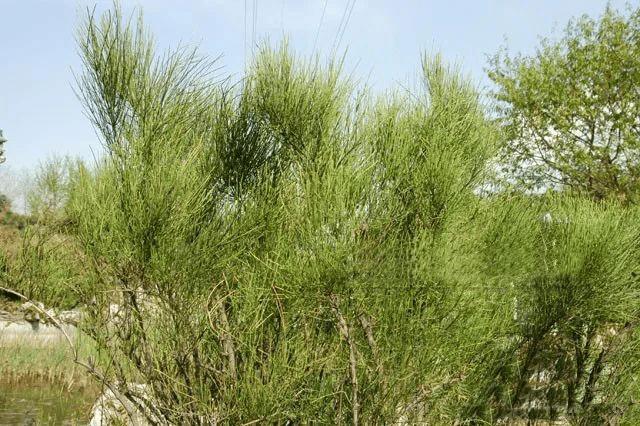
▲ Casuarina equisetifolia original plant
Where should we start to learn and understand Chinese medicine? I think we should start from its medicinal properties, that is, from its four flavors.
si
four
qi
air
wu
five
wei
taste
So what exactly is four flavors and five flavors?
Four qi refers to four properties: cold, hot, warm and cool. What are these properties based on? It is recorded according to clinical practical reasoning.
Anything that can treat cold diseases is a hot or warm drug; Anything that can treat a febrile disease is a cold medicine. This is the heat that is cold, and the cold that is hot. In other words, the medicinal properties and efficacy of traditional Chinese medicine can only be better reflected when it is used in patients.
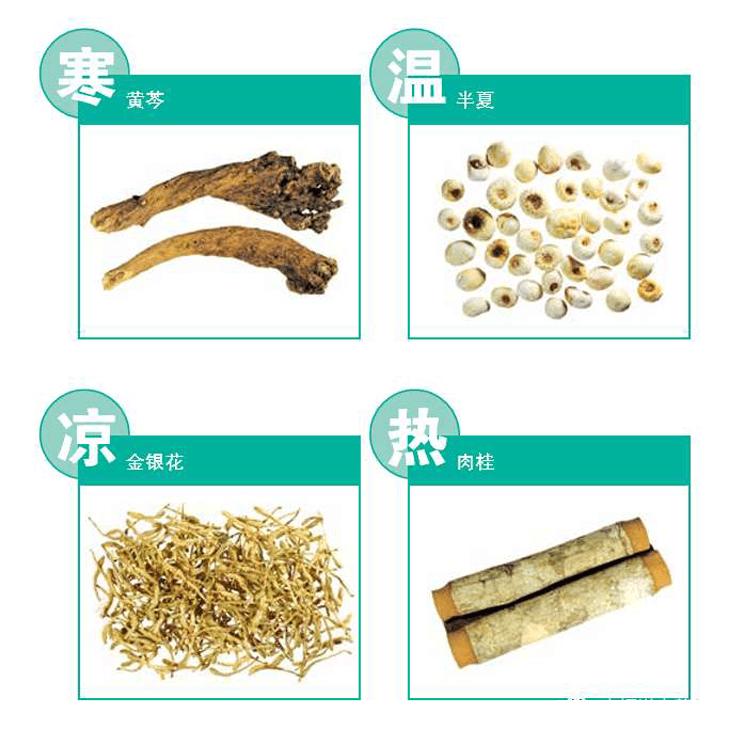
▲ Four Qi of Traditional Chinese Medicine
What does it say in Compendium of Materia Medica? "Treating cold with hot medicine, treating heat with cold medicine" is the therapeutic criterion of traditional Chinese medicine, which should be used according to the guidance of traditional Chinese medicine theory.
In the clinical diagnosis of traditional Chinese medicine, the first thing is to distinguish between cold and heat. Cold and heat, this is the most important thing.
Next, we will talk about five flavors. What are the five flavors?
Five flavors refer to sour, bitter, sweet, pungent and salty.
Pungent medicine, which can disperse and work; Sour medicine can be astringent and astringent; Sweet medicine can make up and slow down; Bitter medicine can purge and dry; Salty medicine can soften and moisten.
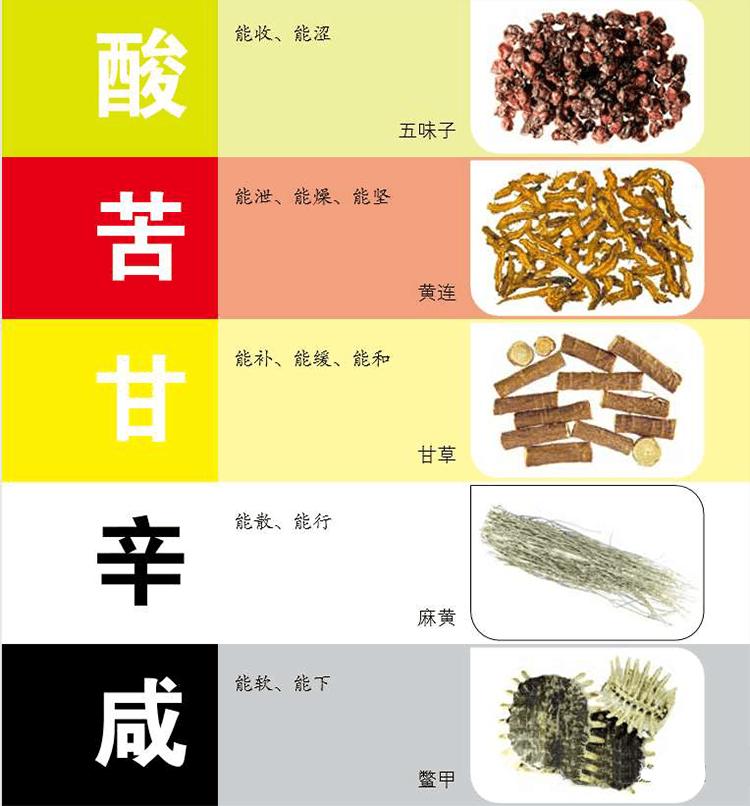
▲ Five flavors of traditional Chinese medicine
The term "bitter, sweet, pungent and salty" in traditional Chinese medicine refers to its clinical medicinal properties. Most of them, that is, their natural attributes, are innate flavors.
For example, sour medicine, which means dark plum and hawthorn, must taste sour. Sweet medicine, representing licorice, really tastes sweet.
But there are still some that don’t match.
For example, cuttlebone is the inner shell of cuttlefish, which is white and mainly composed of calcium carbonate. Because of its astringent effect, its medicinal properties are salty, but if you put it in your mouth to taste it, it is not salty at all.
"Compendium of Materia Medica" added 374 kinds, all of which were summarized and recorded by Li Shizhen. For example, Lophatherum Bambusae, Panax Notoginseng, etc., were followed by future generations of physicians and adopted by China Pharmacopoeia.
ji
base
yuan
origin
gong
success
xiao
effect
What else should we remember when we study Chinese medicine besides the four flavors?
Meridian tropism, ups and downs, seven emotions, toxicity and dietary taboos of drugs. I will introduce the specific drugs in the later content.
Under each drug in Compendium of Materia Medica, Li Shizhen is divided into eight parts, namely, explanation, treatment, invention and compound prescription, and mainly introduces three parts: medicinal materials, medicinal properties and clinical application.
Both Compendium of Materia Medica and ancient materia medica have mentioned the origin and efficacy of traditional Chinese medicine. Ephedra, for example, comes from Ephedraceae, because it is a warm medicine. Ephedra can treat cold of wind-cold type, and its functions are sweating, relieving asthma and promoting diuresis.
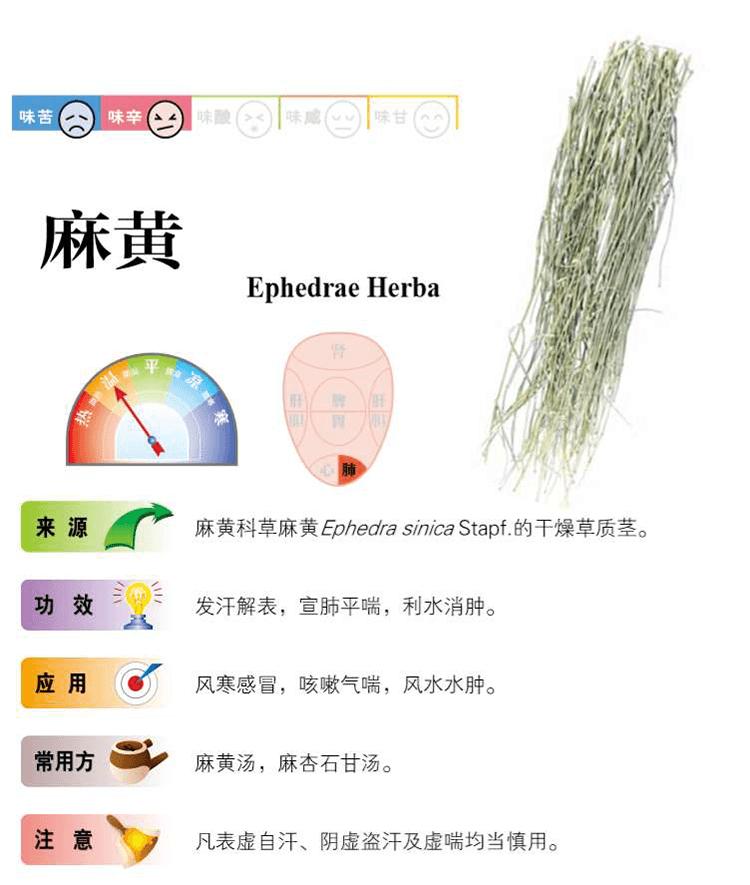
▲ Ephedra sinica (excerpt from "Illustration of Hundred Drugs")
-Summary of this issue-
To learn Chinese medicine, we must first grasp the main points. I feel that we are not afraid of forgetting things, but we can’t lose one thing and pull two.
The key to understanding traditional Chinese medicine is to master its qi and taste. The rest, you can take your time.
Let’s stop here today. Thank you.
Pay attention to more exciting
﹀
﹀
﹀
Zhao Zhongzhen: 200 lectures on health and wisdom in Compendium of Materia Medica
Has been taught in the Himalayas.
Original title: "[Special column] Do you know the difference between traditional Chinese medicine and western medicine? 》
Read the original text

关于作者